

Chronic pain affects millions of people worldwide, often limiting mobility, disrupting sleep, and reducing overall quality of life. While traditional treatments such as medication, injections, and surgery remain common, many patients and clinicians are increasingly exploring non-invasive therapies that promote healing without the risks associated with more aggressive interventions. One such approach gaining attention in modern healthcare is SoftWave therapy.
SoftWave therapy is a regenerative treatment designed to stimulate the body’s natural healing processes. It is used in various clinical settings to support recovery from musculoskeletal injuries, chronic pain conditions, and inflammation-related issues. As Healthcare App Development Company in USA continues to shift toward patient-centered and minimally invasive solutions, understanding how therapies like SoftWave work and who they may benefit is becoming increasingly important.
What Is SoftWave Therapy?
SoftWave therapy is a non-invasive treatment that uses advanced acoustic wave technology to target injured or inflamed tissue. Unlike traditional shockwave treatments, SoftWave delivers unfocused acoustic waves that penetrate deeper into tissue while remaining gentle on the body. This approach is designed to activate cellular responses that encourage tissue repair, reduce inflammation, and improve blood flow.
Clinicians often recommend SoftWave therapy for patients who want to avoid surgery or long-term medication use. The treatment sessions are typically short, require no anesthesia, and involve minimal downtime. Because of this, SoftWave therapy has become a practical option for individuals seeking pain relief while maintaining their daily routines.
Conditions Commonly Treated with SoftWave Therapy
SoftWave therapy is used across a wide range of musculoskeletal and chronic pain conditions. It is often incorporated into treatment plans for patients experiencing persistent discomfort that has not responded well to conventional therapies.
Some of the most commonly addressed conditions include joint pain, tendon injuries, soft tissue inflammation, and chronic musculoskeletal disorders. The therapy works by stimulating stem cells and increasing circulation in the affected area, which can support the body’s natural healing response over time.
For patients interested in understanding whether this therapy may be appropriate for their specific situation, a comprehensive overview of eligible conditions can be found on the conditions treated page, which outlines how SoftWave therapy is applied across different pain and injury types.
How SoftWave Therapy Works at a Cellular Level
The effectiveness of SoftWave therapy lies in its ability to trigger biological responses rather than simply masking pain. When acoustic waves are delivered to injured tissue, they create micro-mechanical stress that stimulates cellular activity. This process encourages the release of growth factors, increases blood vessel formation, and activates dormant stem cells.
As a result, the body begins repairing damaged tissue more efficiently. Over a series of treatments, patients may experience reduced pain, improved mobility, and enhanced functional outcomes. Because the therapy focuses on regeneration rather than symptom suppression, it is often considered a long-term solution rather than a temporary fix.
Patients curious about the science behind this process can explore a detailed explanation of how SoftWave therapy works and what happens during each treatment session.
The Role of SoftWave Therapy in Integrative Care
SoftWave therapy is frequently used as part of an integrative care approach. It can complement physical therapy, chiropractic care, rehabilitation programs, and other non-invasive treatments. By addressing the underlying causes of pain and inflammation, it supports more comprehensive recovery strategies.
Healthcare providers may recommend SoftWave therapy for patients who have plateaued with traditional treatments or who are not ideal candidates for surgery. Because it is non-invasive, the therapy can also be used earlier in the treatment process, potentially preventing conditions from worsening over time.
This flexibility has made SoftWave therapy appealing across multiple healthcare disciplines, from sports medicine to orthopedic care and chronic pain management.
What Patients Can Expect During Treatment
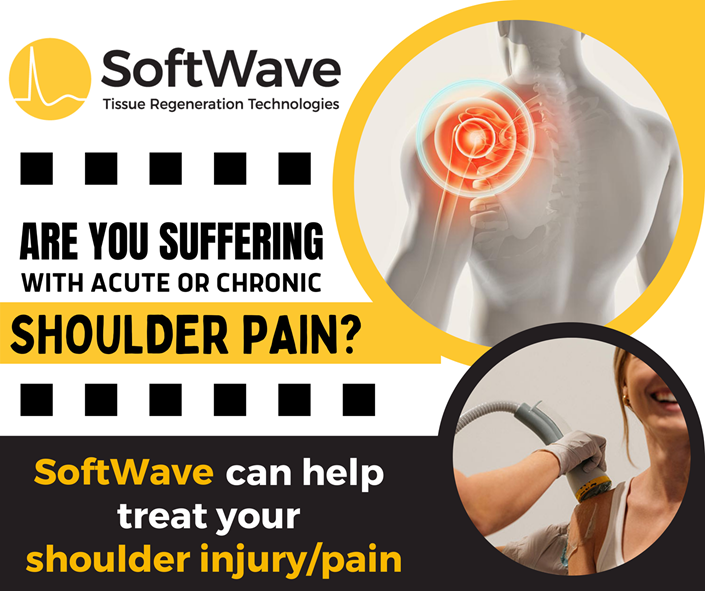
A typical SoftWave therapy session involves applying a handheld device to the affected area. The device delivers acoustic waves in a controlled manner, targeting tissues beneath the skin without causing damage. Most patients describe the sensation as mild pressure or tapping rather than pain.
Treatment plans vary depending on the condition being addressed, but many patients begin noticing improvements within a few sessions. Since the therapy does not involve injections or medications, side effects are minimal, and patients can usually return to normal activities immediately after treatment.
Choosing a Provider for SoftWave Therapy
As interest in regenerative therapies grows, it is important for patients to seek treatment from qualified providers with experience in SoftWave technology. Proper assessment, accurate diagnosis, and individualized treatment planning are essential for achieving optimal results.
Clinics offering SoftWave therapy should focus on patient education, transparent expectations, and evidence-based application of the technology. A reputable provider will also integrate SoftWave therapy into a broader care strategy rather than presenting it as a one-size-fits-all solution.
One such provider is Southeastern Healthcare Softwave, which offers SoftWave therapy as part of a patient-centered approach to non-invasive pain relief and regenerative care.
Looking Ahead: The Future of Non-Invasive Pain Management
As medical research continues to explore regenerative therapies, treatments like SoftWave therapy are likely to play an increasingly important role in pain management and rehabilitation. By prioritizing healing at the cellular level, these therapies align with a broader shift toward sustainable, minimally invasive healthcare solutions.
For patients seeking alternatives to surgery or long-term medication use, SoftWave therapy represents a promising option worth discussing with a qualified healthcare professional. Understanding how the therapy works, what conditions it addresses, and how it fits into an overall treatment plan empowers patients to make informed decisions about their health and recovery.