
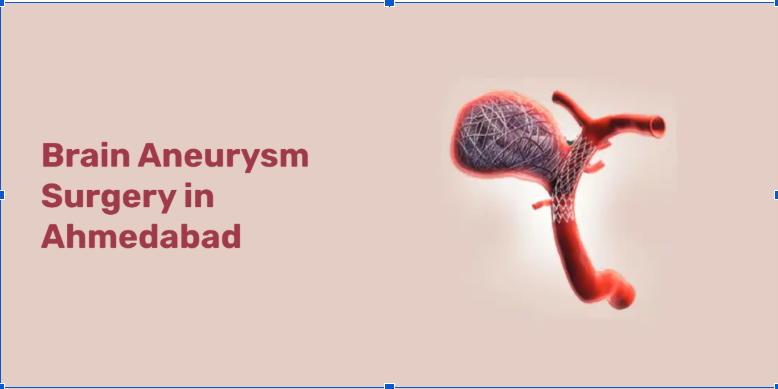

The words “brain” and “surgery” together can understandably create fear for patients and their families. However, advances in modern medical care mean that many neurological conditions can now be treated through minimally invasive techniques without opening the skull. These approaches can offer targeted treatment while potentially reducing recovery time and surgical trauma. At Dev Hospital, understanding your condition and available treatment options is the first step towards making an informed decision with greater confidence and peace of mind.
A Gentler Approach to Complex Conditions
An interventional neuroradiologist works primarily through the blood vessels, using thin catheters guided carefully to the area needing treatment, rather than through open surgical access. This approach has transformed how many serious neurological conditions are managed, often with considerably less trauma to the body and faster recovery for the patient.
The procedure relies on advanced imaging to help the specialist navigate these delicate blood vessels with precision. Depending on the condition, the catheter may be used to deliver treatment materials, restore blood flow, or block an abnormal vessel. Because the treatment is performed through a small access point, patients may experience less disruption to surrounding tissue compared with conventional open procedures.
Conditions Commonly Treated This Way
This specialised approach is frequently used for brain aneurysms, certain types of stroke, and abnormal blood vessel formations within the brain. In each case, the specialist navigates through the vascular system itself, addressing the problem directly at its source with remarkable precision.
For aneurysms, endovascular techniques can help reduce the risk of bleeding by treating the weakened section of the blood vessel. In selected stroke cases, treatment may involve removing a clot that is blocking blood flow to part of the brain. Conditions involving abnormal connections between blood vessels may also be managed using targeted techniques. The specific procedure depends on the patient’s imaging, symptoms, and overall clinical condition.
Why This Matters So Much for Patients
Beyond avoiding a major operation, this approach often means shorter hospital stays, less physical trauma, and a genuinely faster return to normal life for many patients. We’ve seen how much relief this brings to families who were bracing themselves for a much longer, harder road.
Another important benefit is that treatment can often be delivered directly to the affected blood vessel without creating a large surgical opening. This may reduce the physical burden associated with traditional surgery in appropriately selected cases. Recovery still varies from person to person, particularly depending on the underlying neurological condition and urgency of treatment, so your specialist will explain what you can realistically expect before proceeding.
A Related Vascular Condition Worth Understanding
Interestingly, similar minimally invasive vascular principles apply well beyond the brain. Varicose veins treatment in Ahmedabad uses comparable techniques, addressing problematic veins through targeted, catheter-based methods rather than traditional surgical stripping. This shared philosophy, treating from within the vessel itself, reflects how far interventional medicine has progressed across the whole body, not just the brain.
Although the conditions are very different, the underlying concept of accessing the vascular system through a small entry point is an important part of modern interventional medicine. The technology allows specialists to reach specific areas without always requiring extensive surgical exposure. However, the technique used, the expected recovery, and the suitability of treatment vary considerably depending on the blood vessels and condition being treated.
Is This Approach Right for Everyone?
Not every case is suitable for this technique, and that’s perfectly normal. Some situations may still genuinely require traditional surgical approaches. For patients considering Varicose Veins Treatment in Ahmedabad, a thorough assessment is essential to understand the severity and characteristics of the condition. Your specialist can then determine whether a minimally invasive option or conventional treatment offers the safest and most effective path for your specific needs.
Your symptoms, medical history, imaging results, age, and the exact location and characteristics of the condition can all influence the recommendation. In some cases, a combination of approaches may be considered, while in others, open surgery may remain the most appropriate option. The aim is not simply to avoid surgery, but to select the treatment that offers the best balance of safety, effectiveness, and long-term outcome.
What a Consultation Typically Covers
- Detailed imaging to understand your specific condition
- An honest conversation about which techniques suit your case
- Clear explanation of what recovery would realistically look like
- Time to ask every question on your mind, without feeling rushed
Your consultation may also involve reviewing previous scans, medications, symptoms, and any earlier treatments you have received. The specialist can explain what the imaging shows and whether an endovascular procedure is technically appropriate. You can also discuss potential benefits, risks, alternatives, and what happens before and after treatment. Having this information clearly explained can make an unfamiliar procedure feel more manageable and help you participate confidently in the treatment decision.
Conclusion
Modern medicine offers genuinely gentler paths for many conditions once thought to require major surgery. Dev Hospital’s team takes the time to explain your options clearly, helping you feel informed and reassured every step of the way.
Interventional neuroradiology continues to provide carefully targeted treatment options for selected neurological and vascular conditions. However, suitability is always individual, and the safest approach depends on detailed clinical assessment and imaging. If you have been advised that your condition may require brain surgery, discussing minimally invasive alternatives with an appropriately qualified specialist can help you understand whether an endovascular approach could be considered in your particular case.