
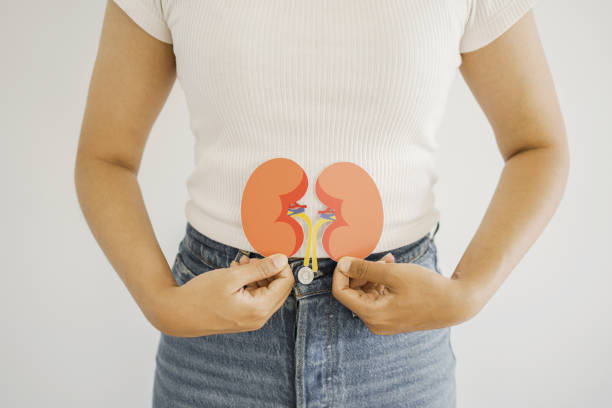

Your kidneys work quietly every day to filter waste from your blood, balance fluids and minerals, help control blood pressure, and support several important processes in the body. Because kidney problems can develop without obvious symptoms in the early stages, many people do not realize that their kidney function has started to change until an abnormal blood or urine test brings it to attention.
A nephrologist is a doctor who specialises in kidney health and conditions that affect kidney function. If you are considering a top nephrologist in Ahmedabad, it is important to choose a specialist who can evaluate your kidney health, identify the underlying cause of abnormalities, and recommend appropriate care. Seeing a nephrologist does not necessarily mean you have severe kidney disease. In many cases, early specialist evaluation can help manage risk factors and reduce the chance of kidney damage progressing.
When should you see a nephrologist?
You may benefit from a nephrology consultation if blood or urine tests show an ongoing problem with kidney function. Two important measurements are estimated glomerular filtration rate, or eGFR, and the urine albumin-to-creatinine ratio, or uACR. These tests help doctors assess how well the kidneys are filtering blood and whether protein is leaking into the urine. Kidney disease is not determined by a single abnormal result alone; persistent kidney damage or reduced kidney function over time is important when making a diagnosis.
A referral becomes particularly important when kidney function is significantly reduced, protein levels in the urine are high, kidney function is declining faster than expected, or the cause of the kidney problem is unclear. People with acute kidney injury, persistent blood or protein in the urine, difficult-to-control blood pressure, or recurrent kidney stones may also require specialist assessment.
If you have been advised to see a nephrologist after a routine health check, it is worth taking the recommendation seriously even if you feel completely well. Early kidney disease often has few or no noticeable symptoms, so waiting until symptoms appear may delay diagnosis and treatment.
What warning signs should not be ignored?
Some kidney problems eventually produce noticeable symptoms. Changes in urination are one possible warning sign. This can include urinating much more or less than usual, persistent foamy urine, blood in the urine, or changes associated with swelling and fluid retention. However, these symptoms are not specific to kidney disease, so they should be evaluated rather than self-diagnosed.
Swelling around the ankles, feet, legs, hands, or eyes can occur when the body retains excess fluid. Persistent tiredness, nausea, poor appetite, muscle cramps, or changes in concentration can also occur in more advanced kidney problems, although there may be many other possible causes.
Pain in the back or side, especially when accompanied by blood in the urine, painful urination, nausea, vomiting, fever, or difficulty passing urine, can be associated with kidney stones or another urinary problem. Severe pain, fever or chills, vomiting with dehydration, or an inability to urinate requires prompt medical attention.
Who is at higher risk of kidney disease?
Certain health conditions make regular kidney monitoring particularly important. Diabetes and high blood pressure are major risk factors for chronic kidney disease. Heart disease and a family history of kidney failure can also increase risk.
People with these risk factors may need periodic kidney testing even when they feel healthy. Depending on the individual’s medical history, doctors may monitor blood pressure, serum creatinine and eGFR, urine albumin, blood sugar, and other relevant measurements.
Kidney health can also be affected by repeated urinary infections, certain inherited kidney conditions, previous episodes of acute kidney injury, and long-term exposure to medicines that can affect kidney function. A person’s overall medical history matters when determining how frequently kidney function should be assessed.
What causes kidney stones?
Many people wonder what causes kidney stones, particularly after experiencing their first episode. Kidney stones form when certain substances in urine become concentrated enough to crystallise. Calcium, oxalate, phosphorus, uric acid, and other substances can contribute depending on the type of stone. Calcium stones are the most common, while uric acid, struvite, and cystine stones are other recognised types.
Not drinking enough fluid is an important risk factor because concentrated urine makes crystal formation more likely. A previous history of kidney stones, family history, certain digestive conditions, recurrent urinary infections, obesity, gout, and some metabolic or inherited conditions can also increase risk. Diet can contribute as well, depending on the type of stone and the individual’s underlying risk factors.
The right prevention strategy depends on why the stone formed. After a stone episode, a doctor may recommend stone analysis and, in selected patients, urine testing to understand mineral levels and identify factors that could lead to another stone. Drinking an appropriate amount of fluid is generally an important part of prevention, but people with certain kidney or heart conditions may need personalised fluid advice.
Can high blood pressure affect your kidneys?
Yes. The relationship between blood pressure and kidney health works in both directions. Long-standing high blood pressure can damage the small blood vessels within the kidneys, while kidney disease can make blood pressure more difficult to control.
For this reason, people with hypertension should not focus only on their blood pressure readings. Regular kidney assessment can help identify early changes before significant symptoms develop. Maintaining appropriate blood pressure, managing diabetes when present, following a balanced eating pattern, staying physically active, and taking prescribed medicines correctly can all form part of a kidney-protection plan.
What happens during a nephrologist consultation?
A nephrologist will usually begin by reviewing your symptoms, medical history, medicines, blood pressure readings, previous blood and urine tests, and any imaging reports. Depending on the situation, additional blood or urine testing may be recommended.
Kidney assessment commonly includes measurements such as creatinine and eGFR, along with urine testing for albumin or other abnormalities. Imaging may be useful when there is a concern about kidney structure, obstruction, stones, cysts, or another urinary problem.
The purpose of the consultation is not simply to label a kidney condition. It is also to understand what may be causing it and determine what can be done to protect kidney function. Treatment may involve lifestyle changes, medication adjustments, monitoring, management of blood pressure or diabetes, or coordination with another specialist when appropriate.
Why is early kidney care important?
Kidney disease can progress gradually, and early stages may be silent. Identifying kidney damage early gives doctors an opportunity to investigate the cause and address factors that may increase the risk of progression. Current clinical approaches place particular importance on both eGFR and urine albumin levels rather than relying on a single measurement.
If your doctor has identified reduced kidney function, persistent protein in the urine, recurrent stones, unexplained abnormalities in urine tests, or another kidney-related concern, a specialist consultation can provide a clearer picture of your condition.
For people searching for a top nephrologist in Ahmedabad, choosing a specialist who can assess the underlying cause, review your test results, and create a personalised monitoring or treatment plan is more important than relying on a title alone. The right time to seek care is often before kidney problems become severe.
Frequently Asked Questions
What does a nephrologist treat?
A nephrologist diagnoses and manages conditions affecting kidney function, including chronic kidney disease, acute kidney injury, protein or blood in the urine, electrolyte problems, certain causes of high blood pressure, and other medical kidney disorders. They may also help patients manage kidney-related complications and coordinate care when advanced kidney treatment is required.
Should I see a nephrologist if my creatinine is slightly high?
A mildly elevated creatinine does not automatically mean you have chronic kidney disease. Creatinine can be influenced by several factors, so doctors generally consider eGFR, urine findings, previous results, medications, hydration, and the overall clinical picture. If the abnormality persists or there are other concerning findings, a nephrologist may be recommended.
Can kidney stones damage kidney function?
Most kidney stones do not cause permanent kidney damage when appropriately managed. However, a stone that blocks urine flow, recurrent stones, associated infections, or prolonged obstruction can lead to complications and may affect kidney function.
Do people with diabetes need kidney tests?
Yes. Diabetes is a significant risk factor for chronic kidney disease, and kidney damage can develop without obvious symptoms. Doctors commonly use blood and urine tests to monitor kidney health and identify changes early.
When is kidney pain an emergency?
Severe or persistent pain in the back or side accompanied by fever, chills, repeated vomiting, blood in the urine, or difficulty passing urine should be assessed promptly. These symptoms can occur with a kidney stone or urinary obstruction, and infection combined with obstruction can require urgent treatment.
Kidney health deserves attention even when you feel well. If you have risk factors, abnormal kidney tests, recurring urinary problems, kidney stones, or unexplained changes in urination, speaking with a qualified nephrologist can help identify problems early and guide appropriate care. Early evaluation, regular monitoring, and personalised treatment can make a meaningful difference in protecting kidney function over time.